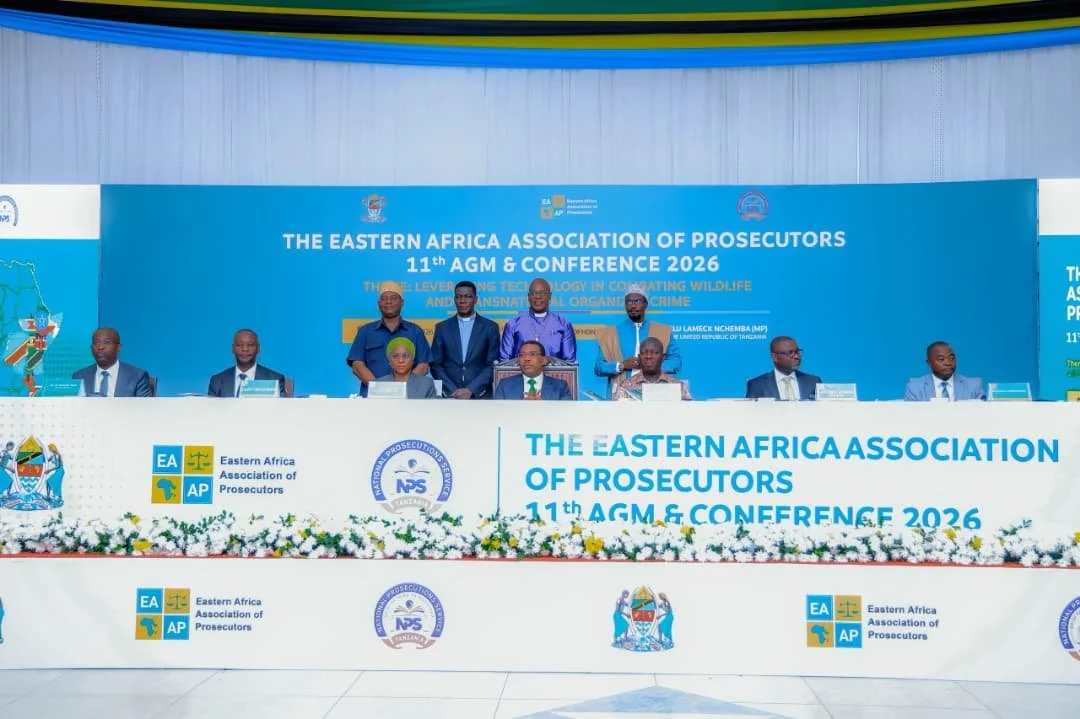
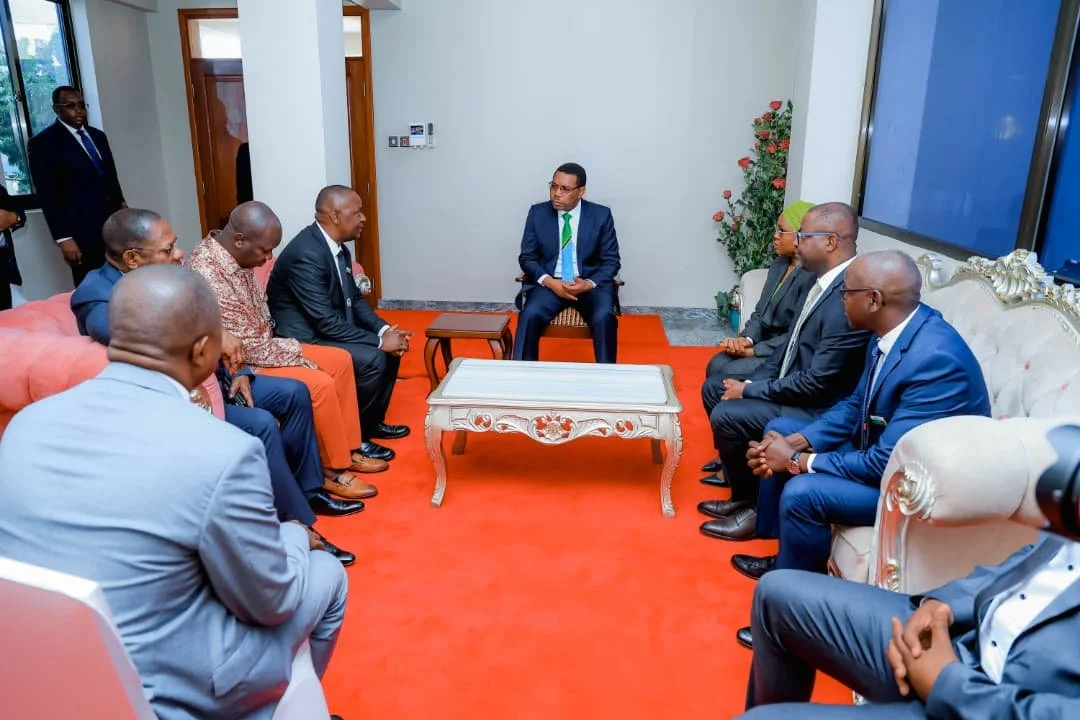
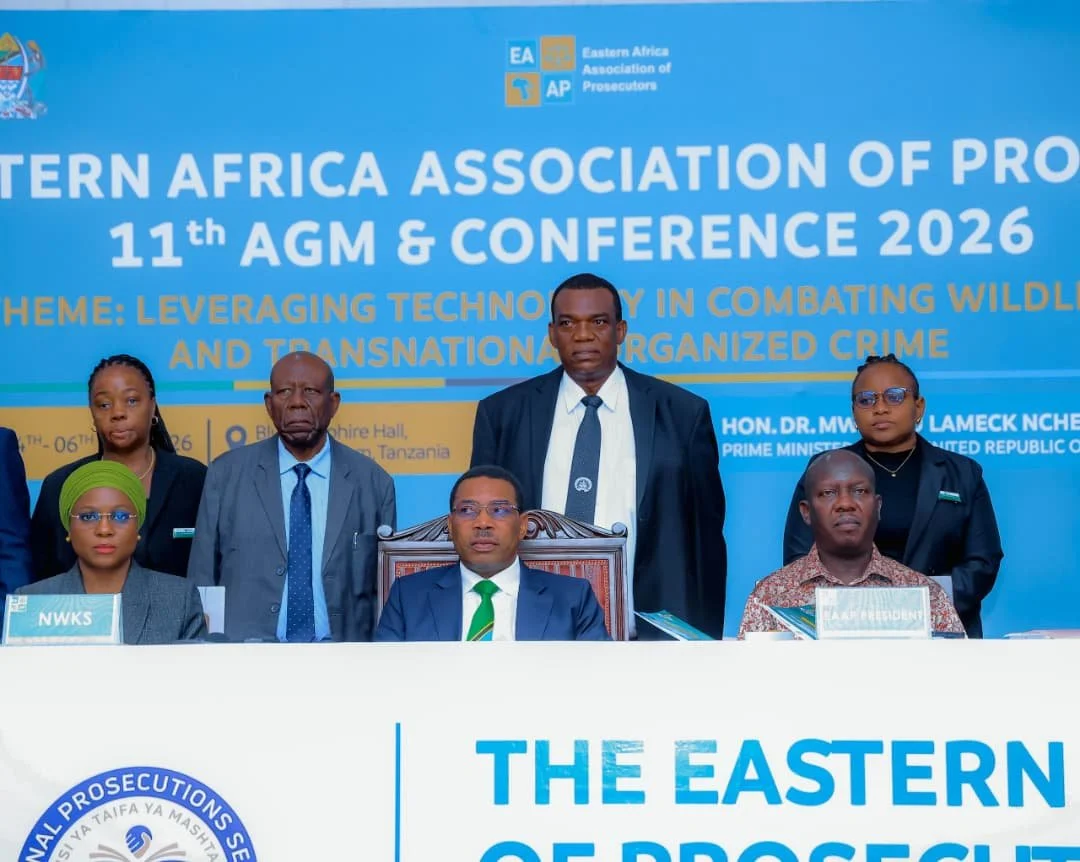
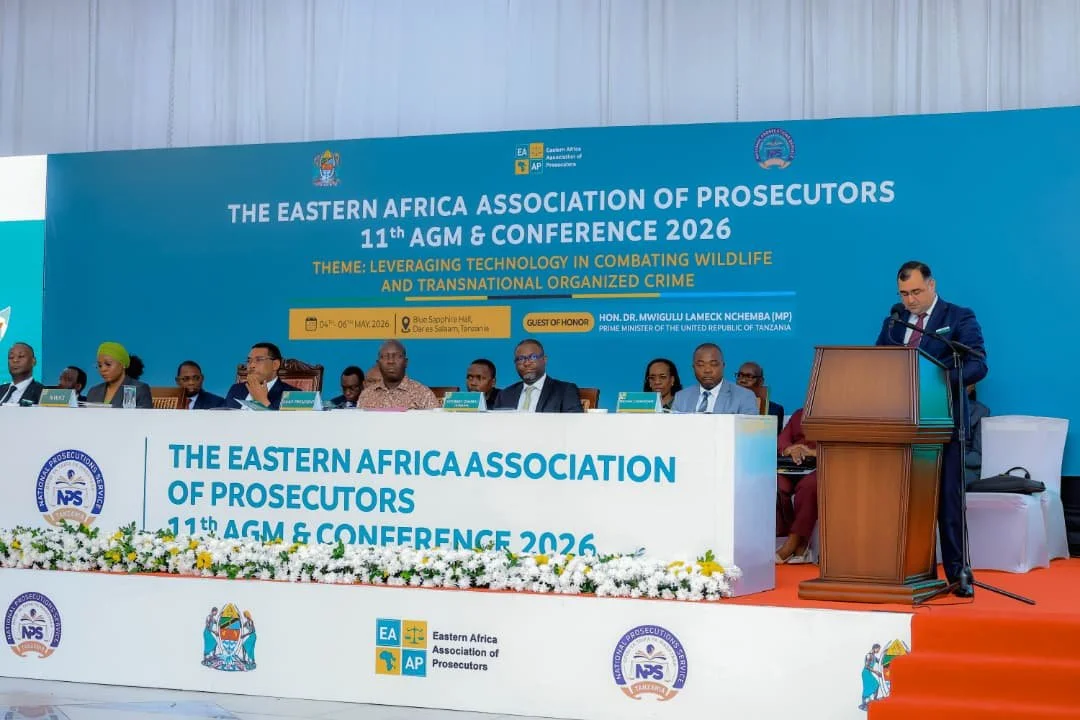
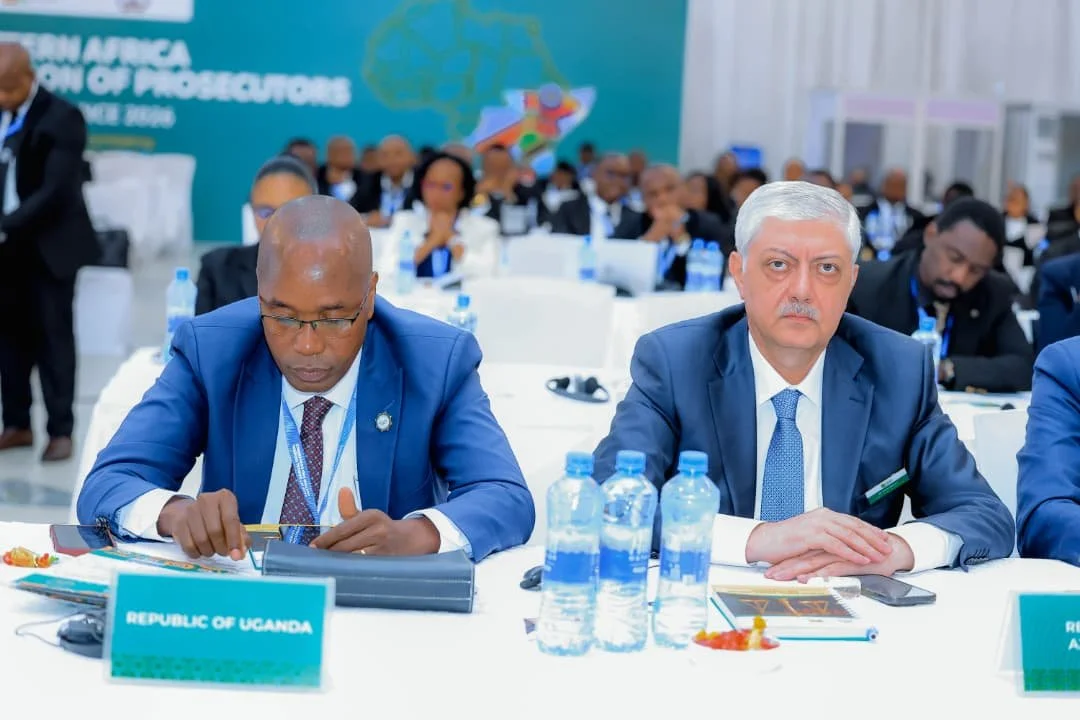
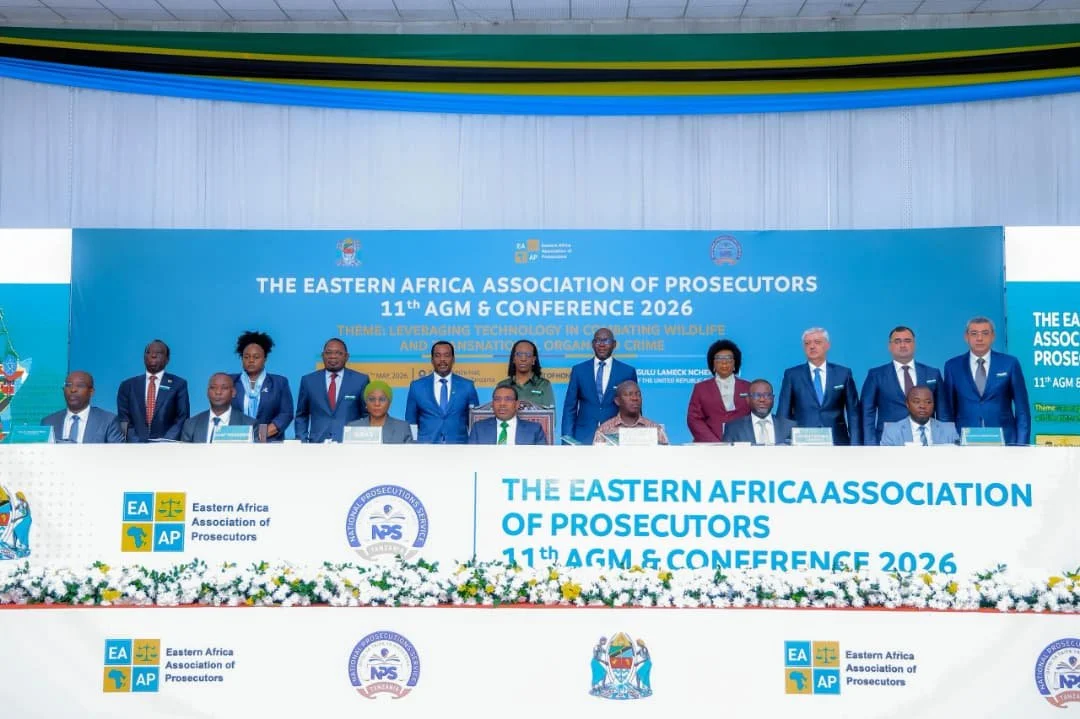
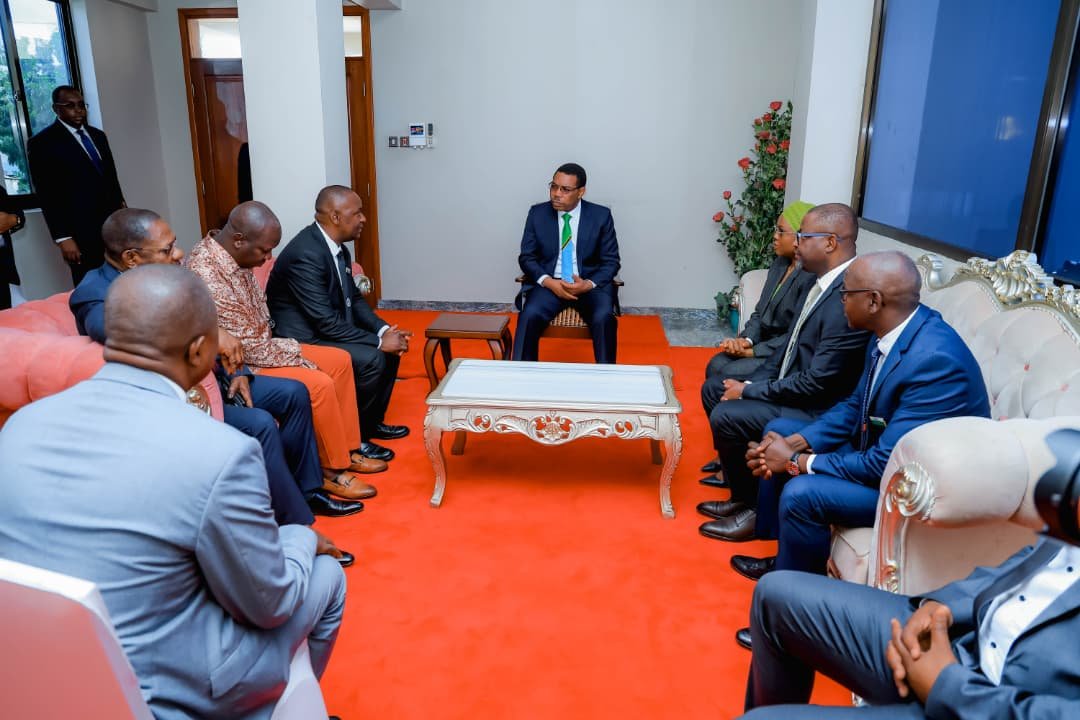
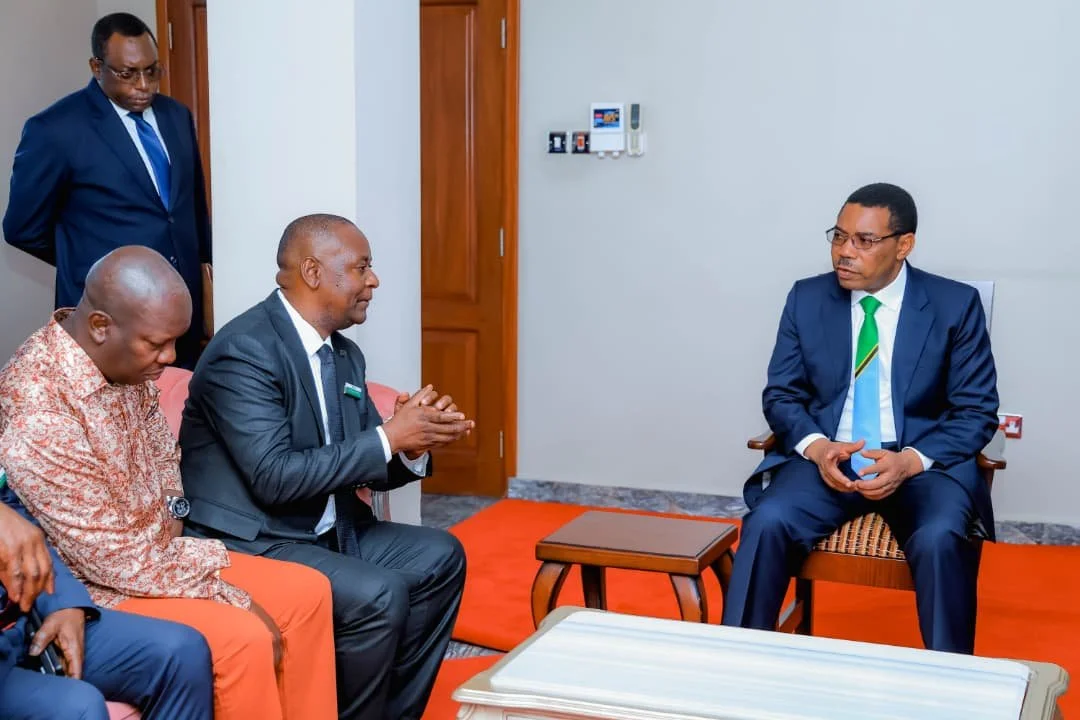
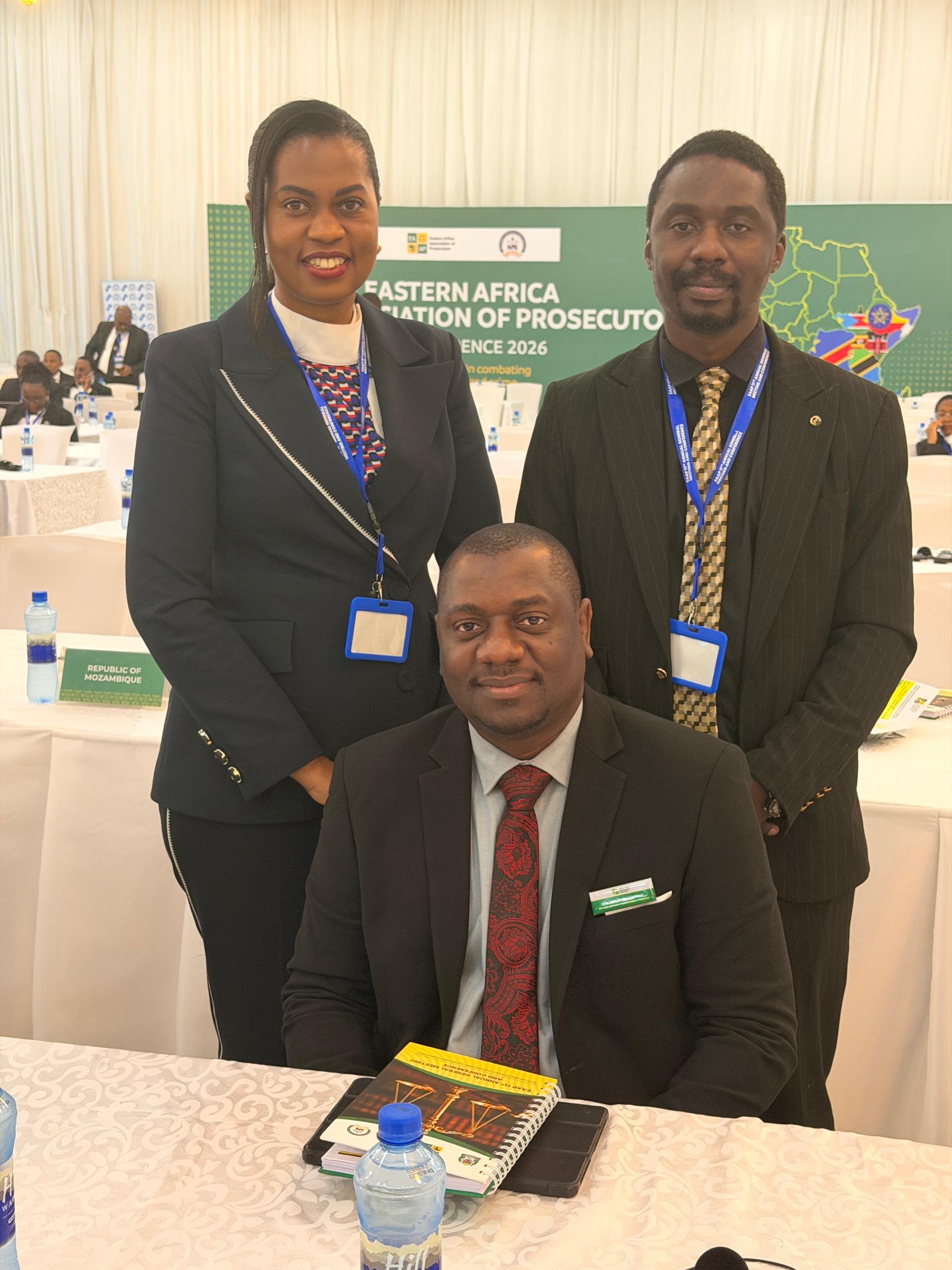
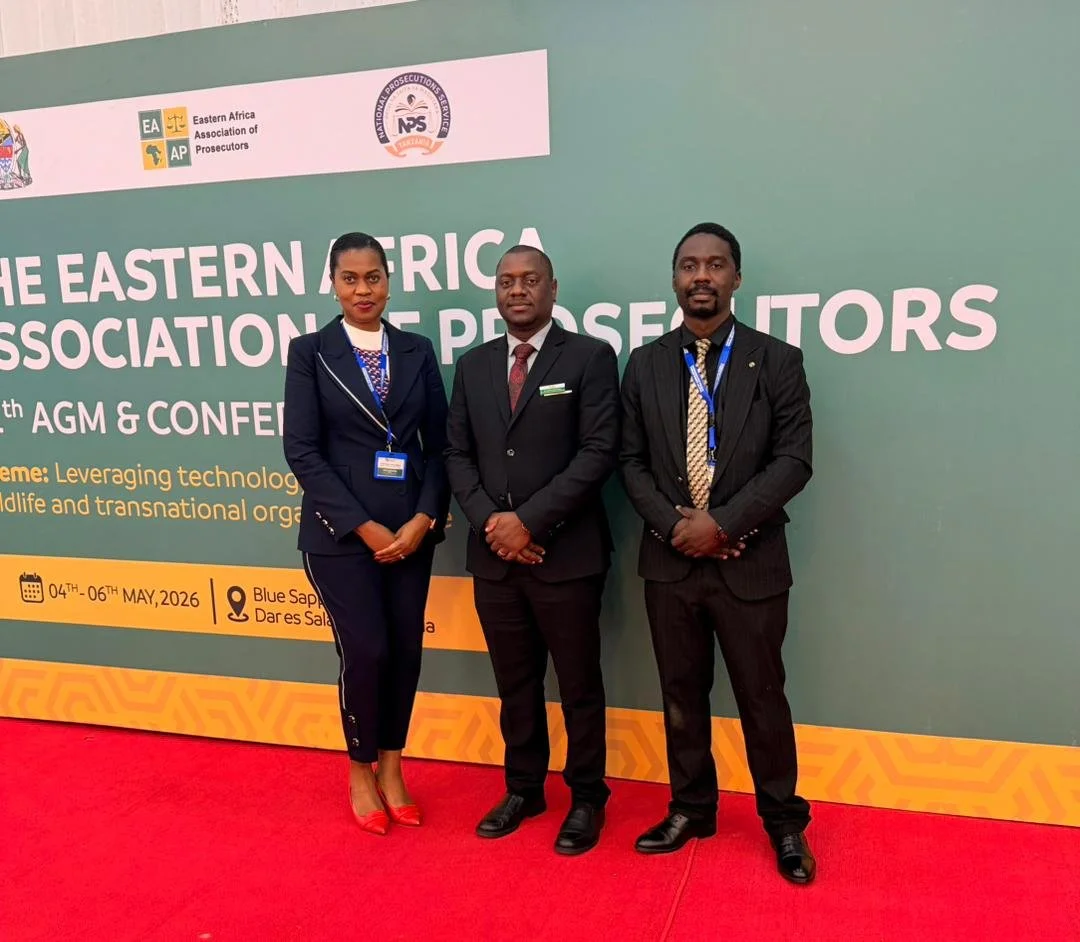
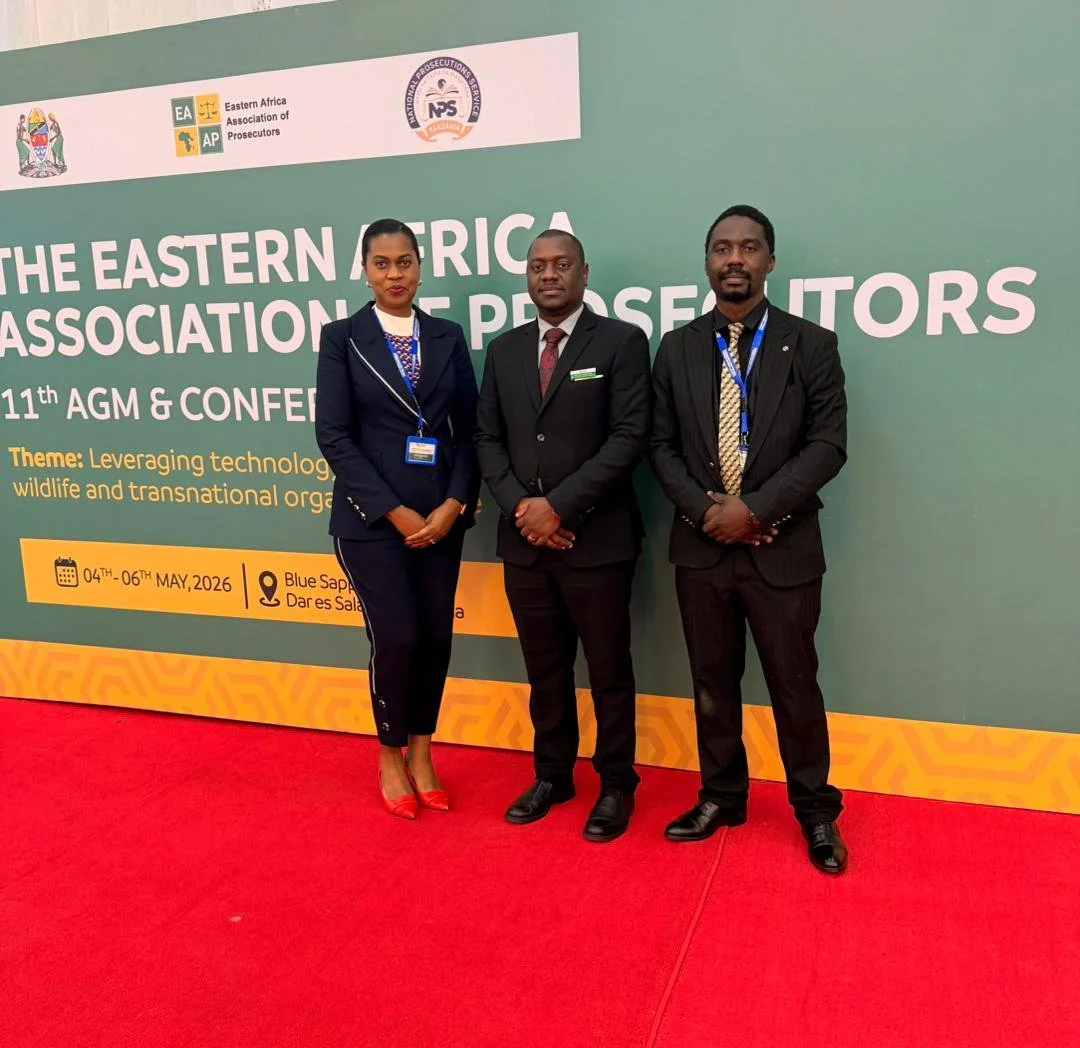
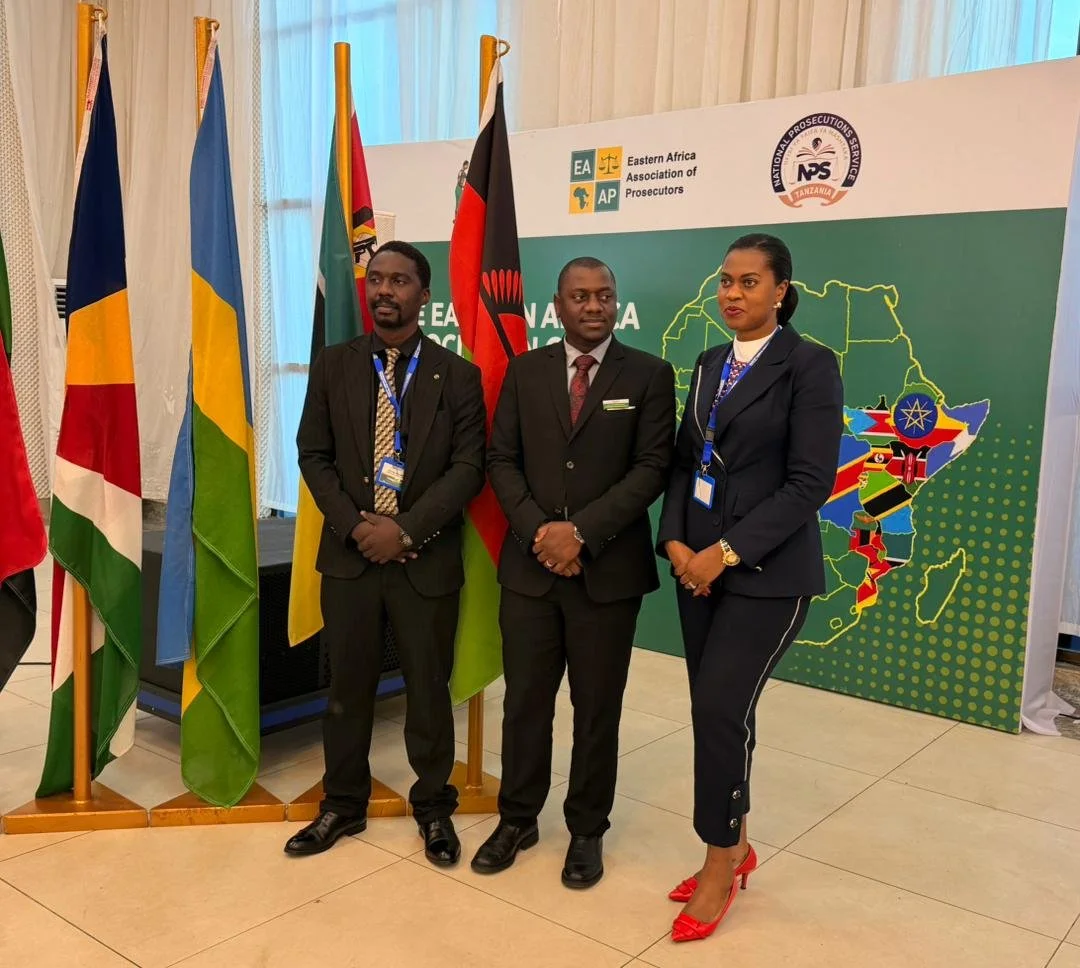
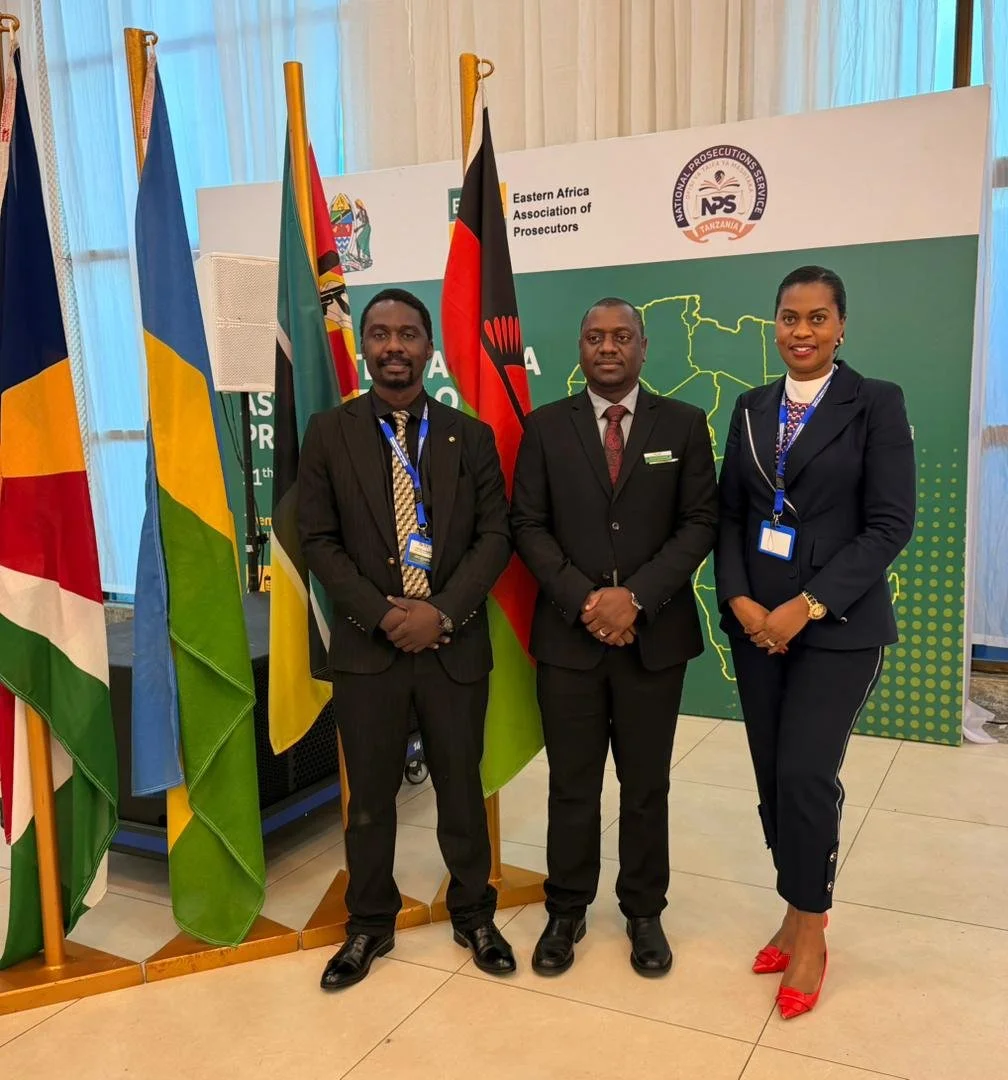
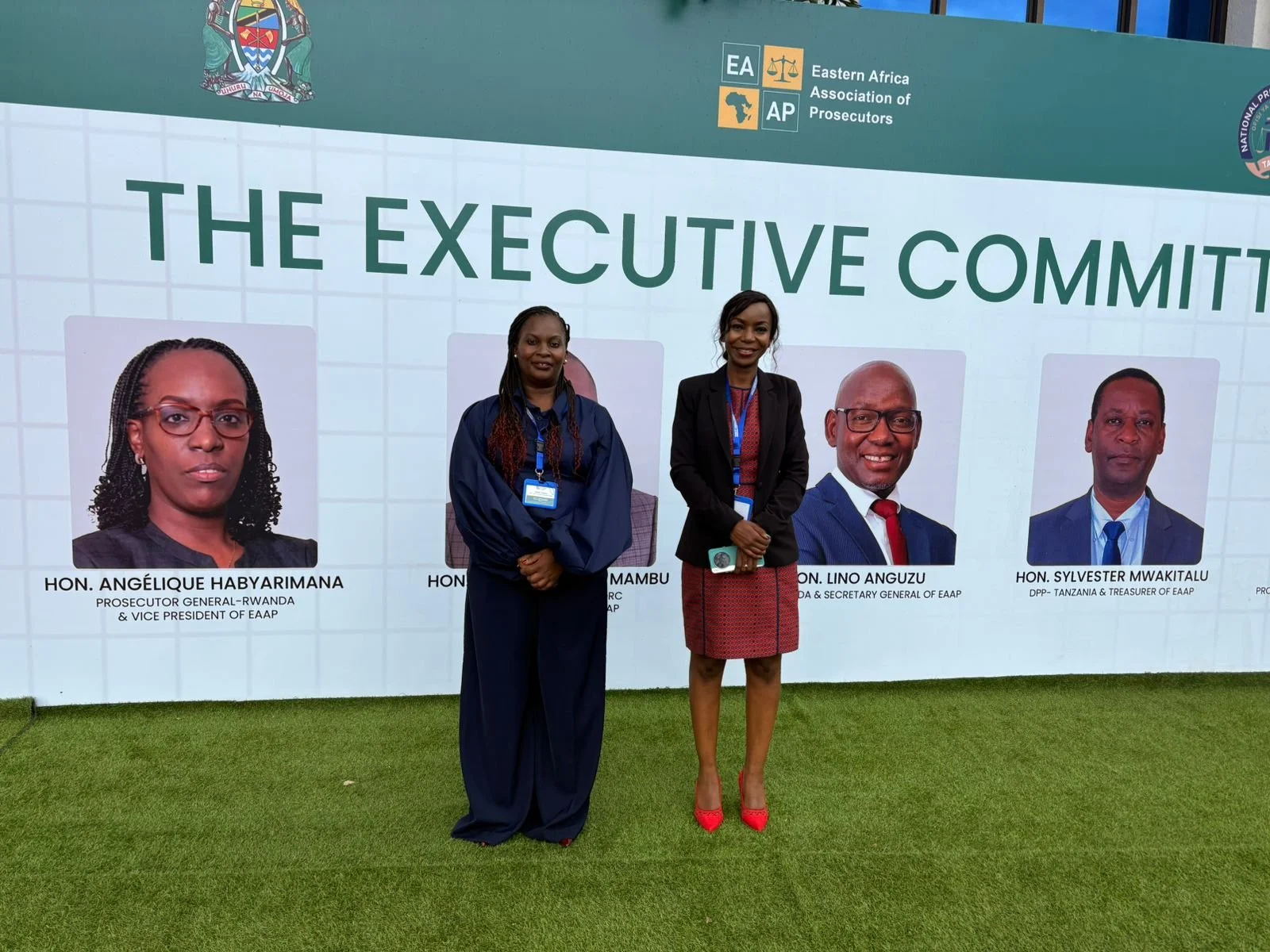
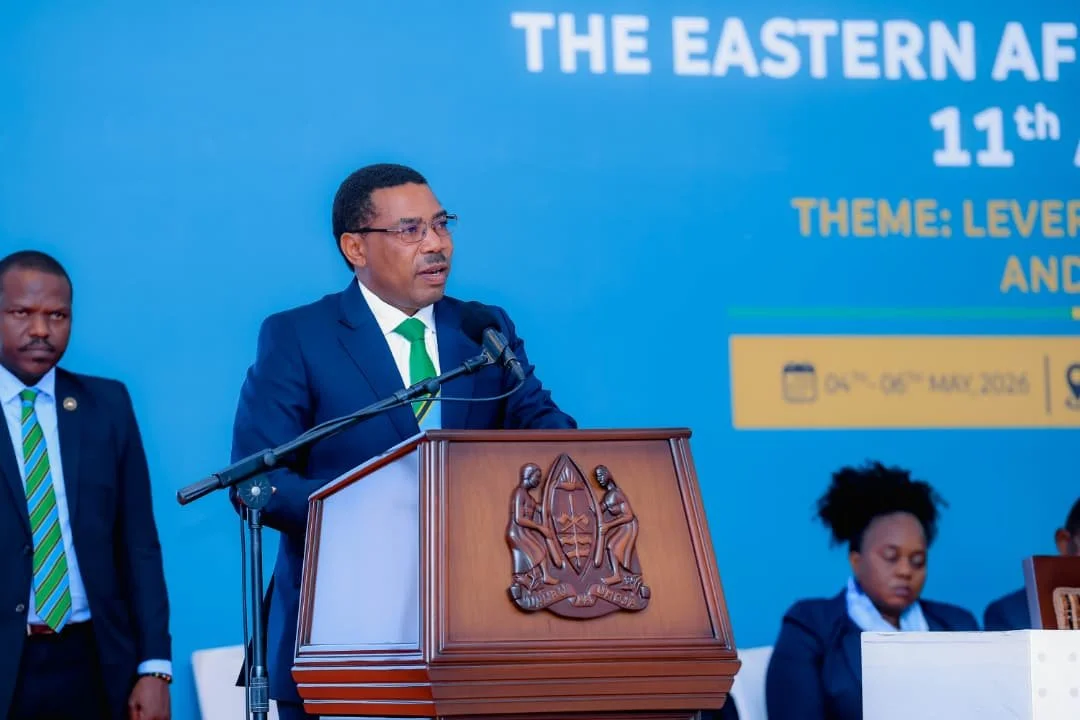
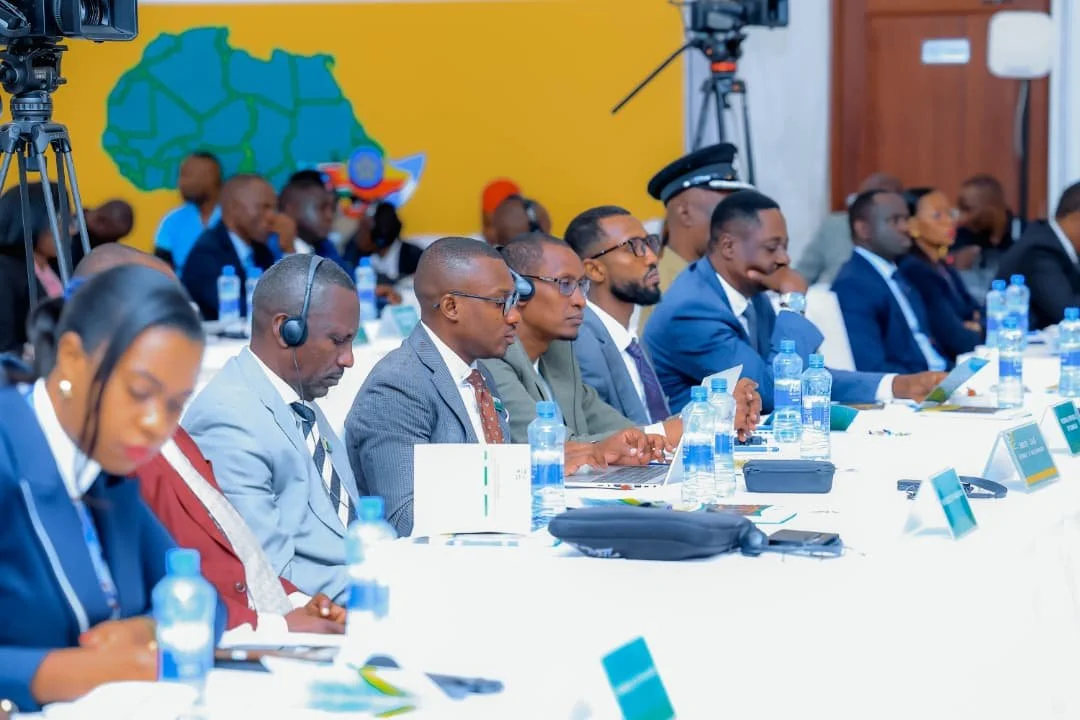
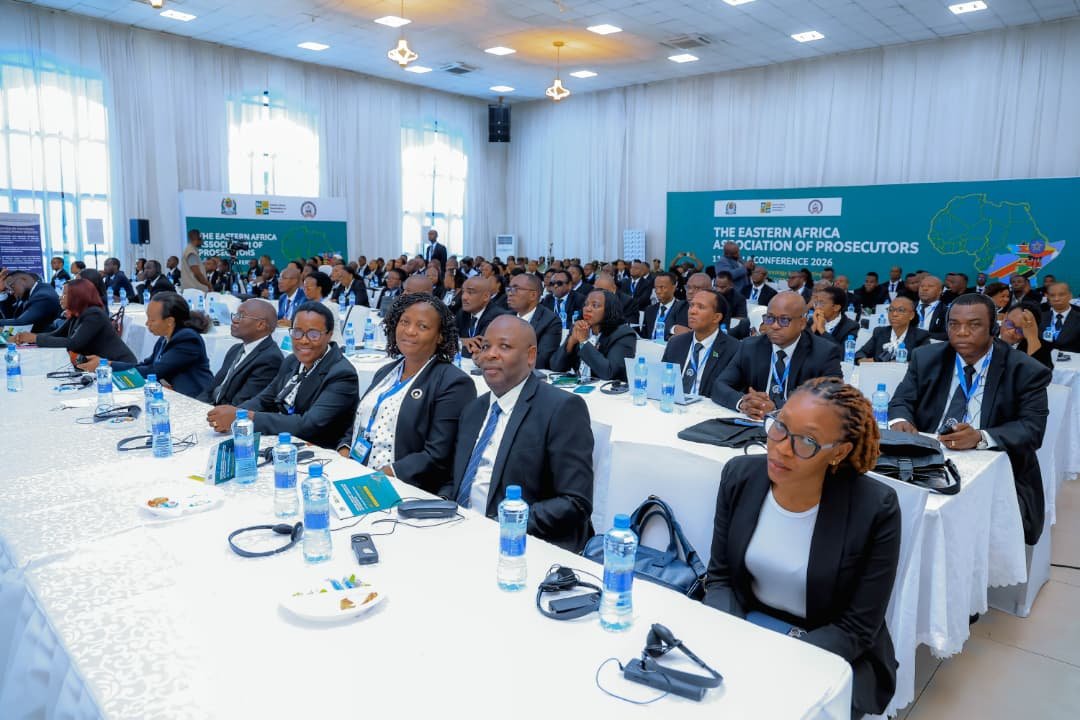
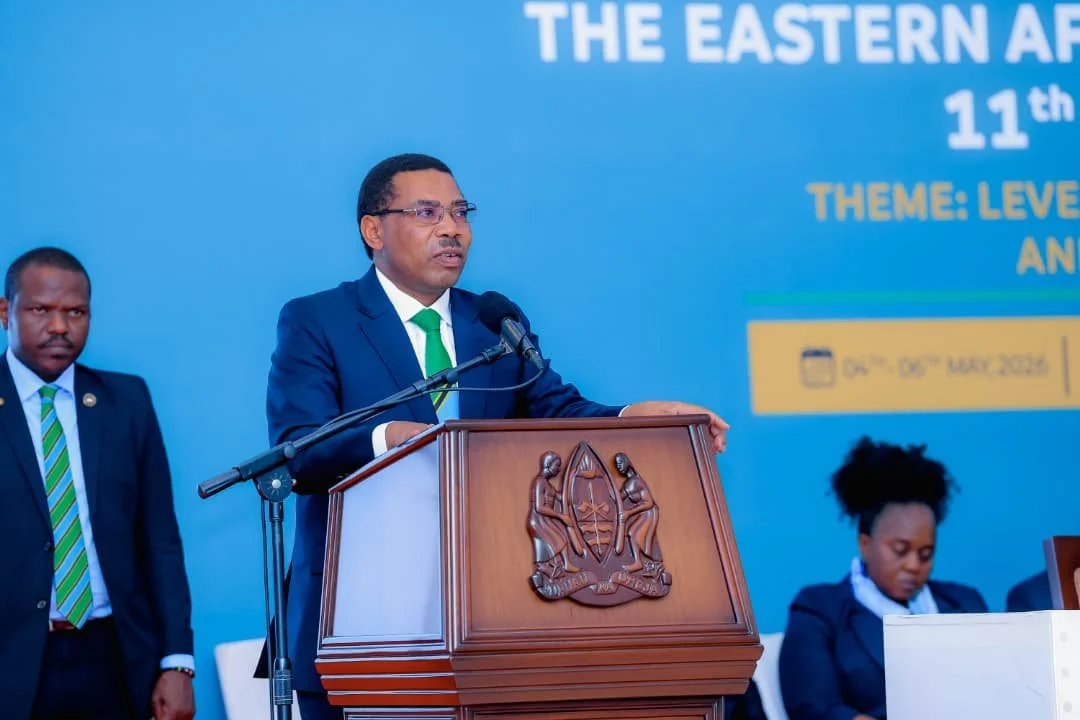
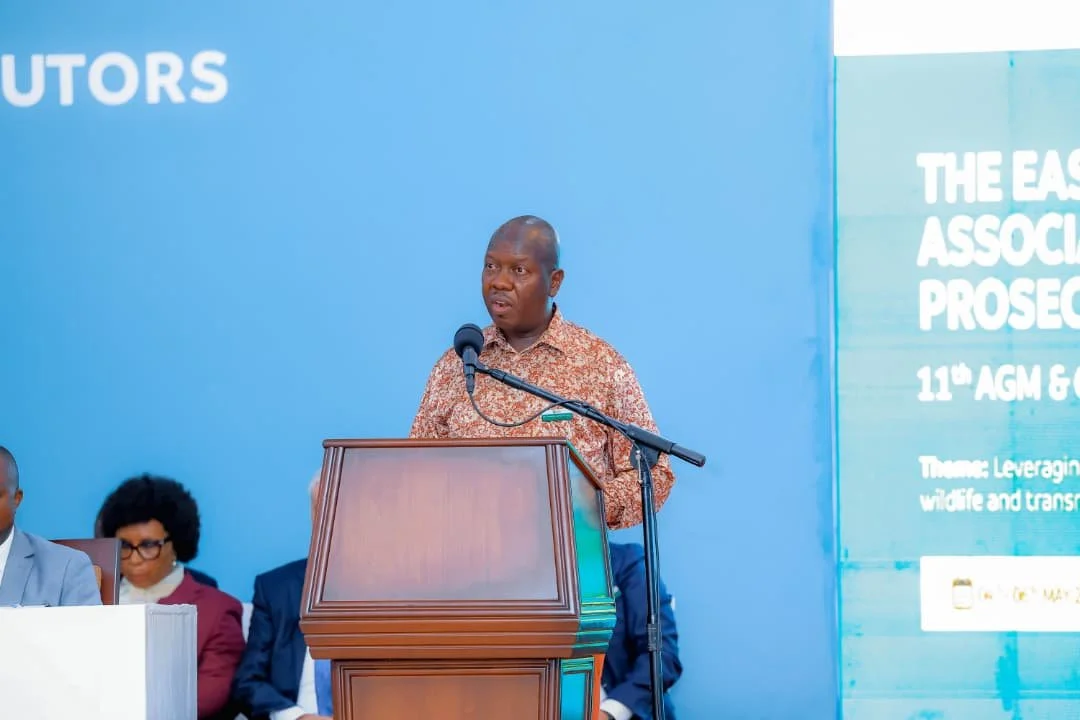
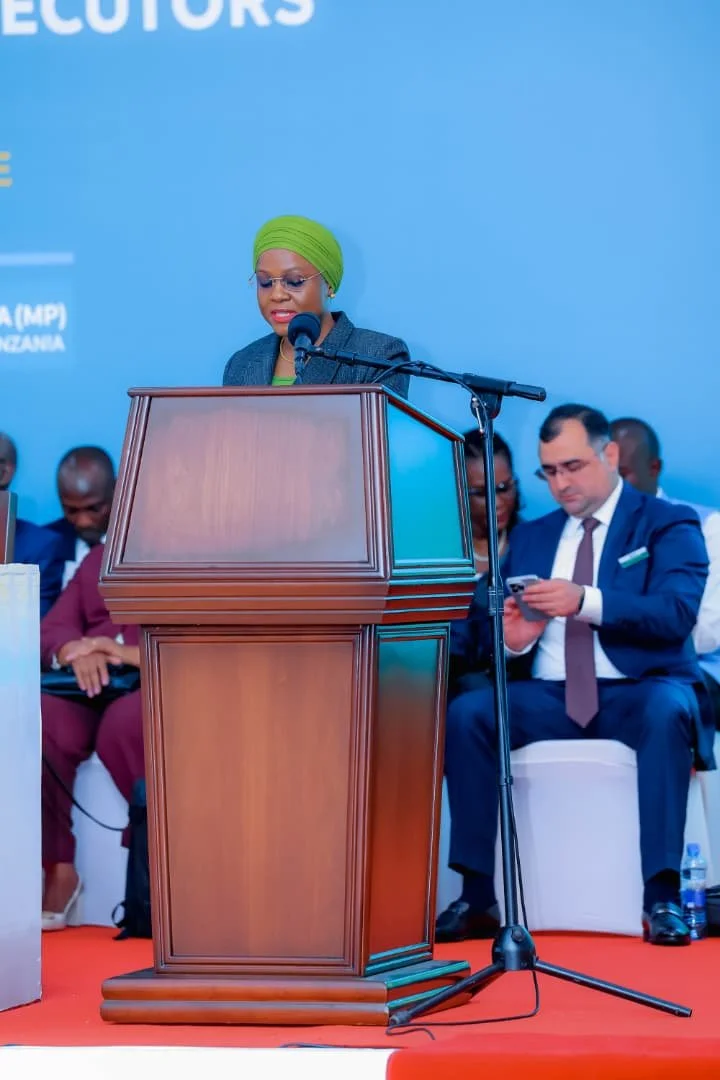
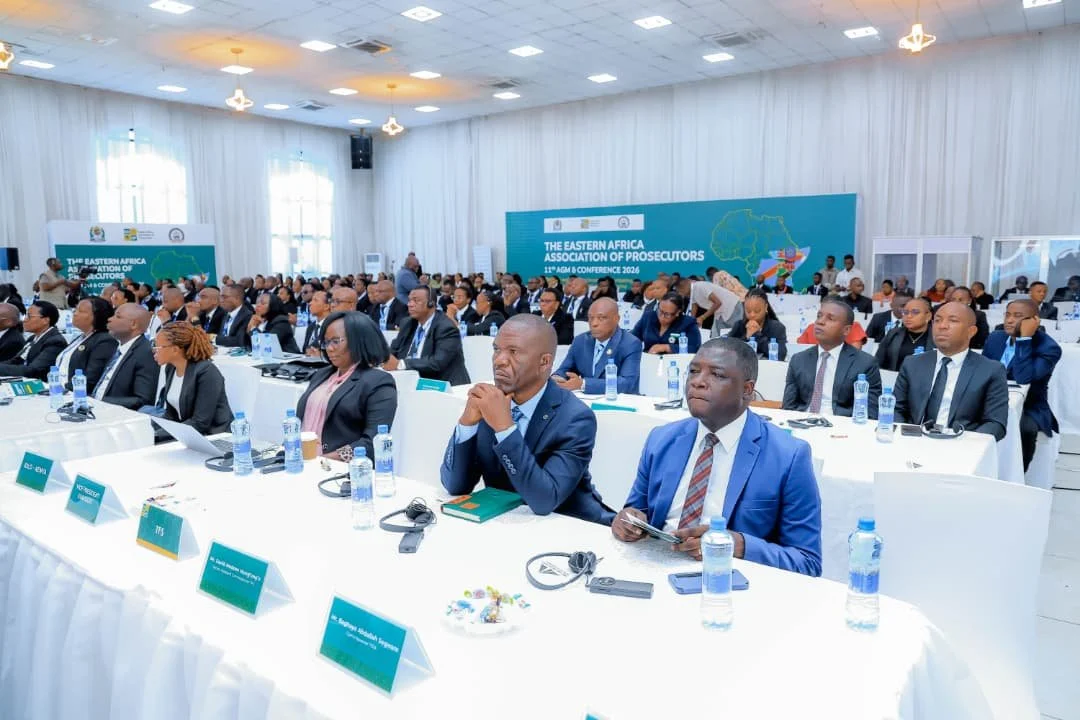
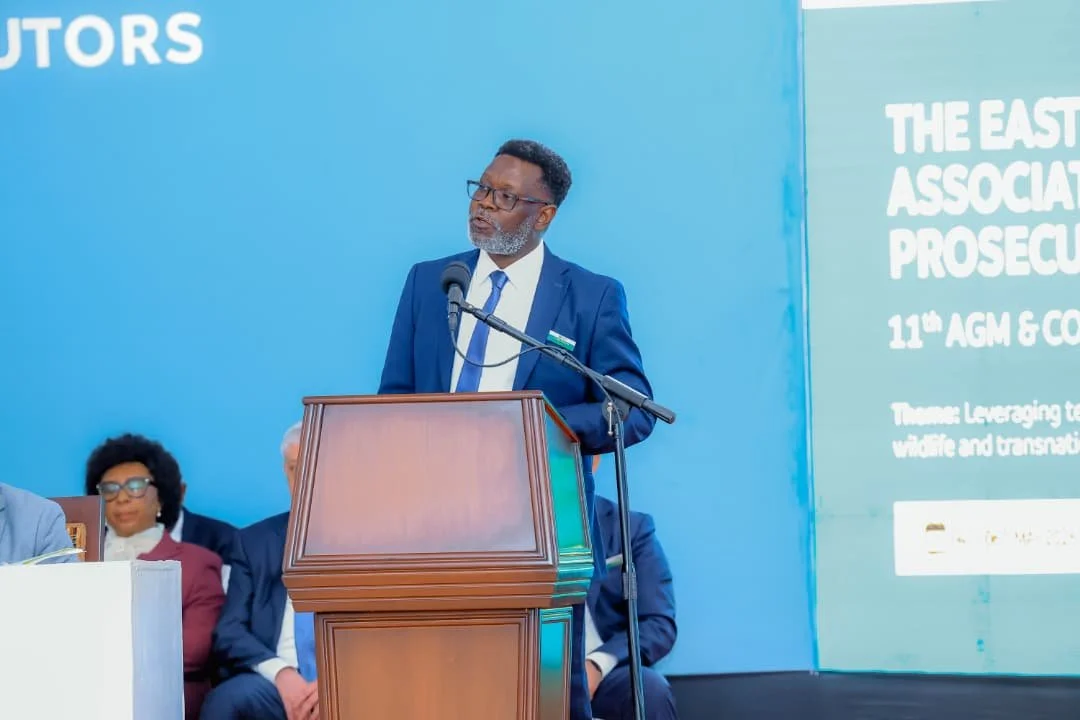
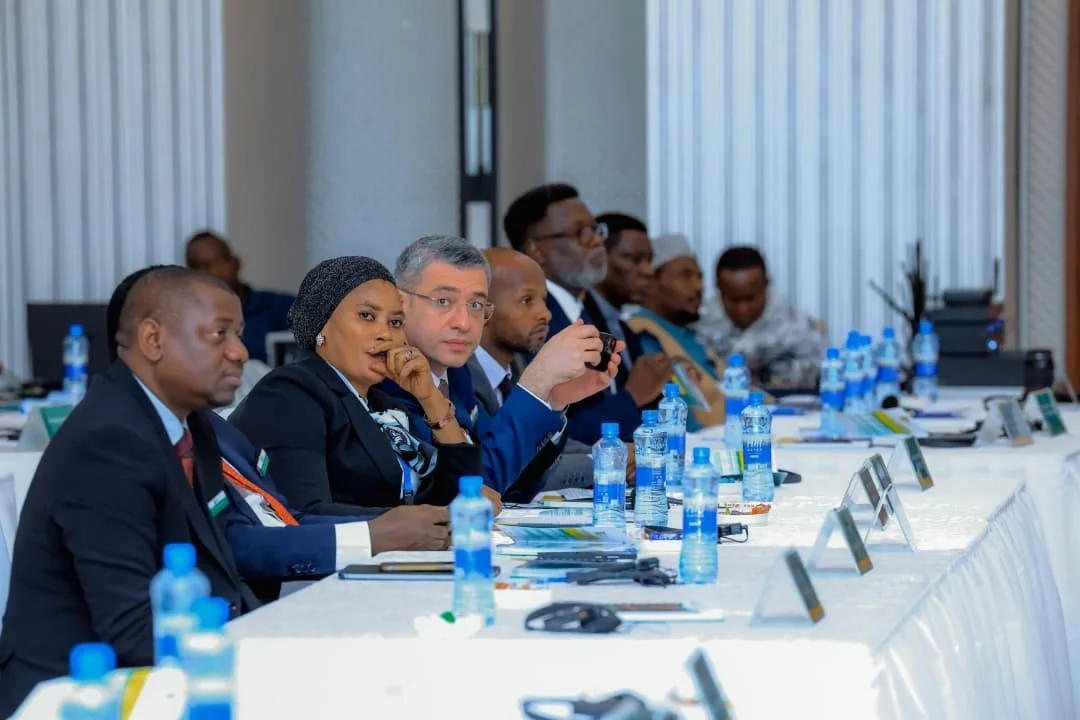
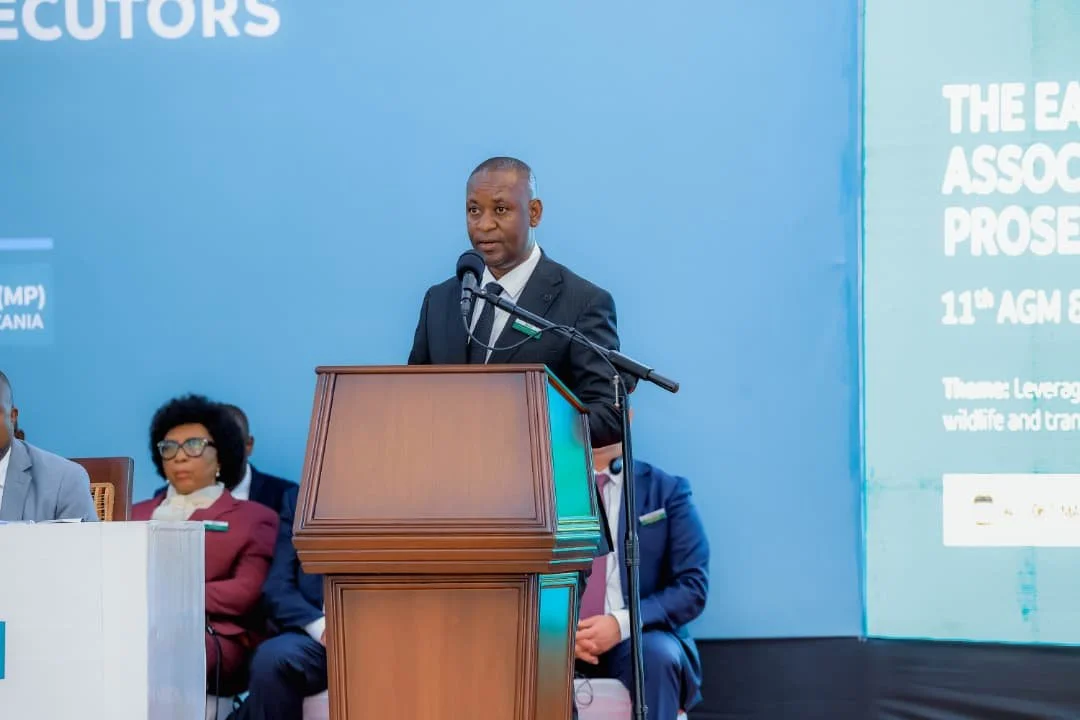
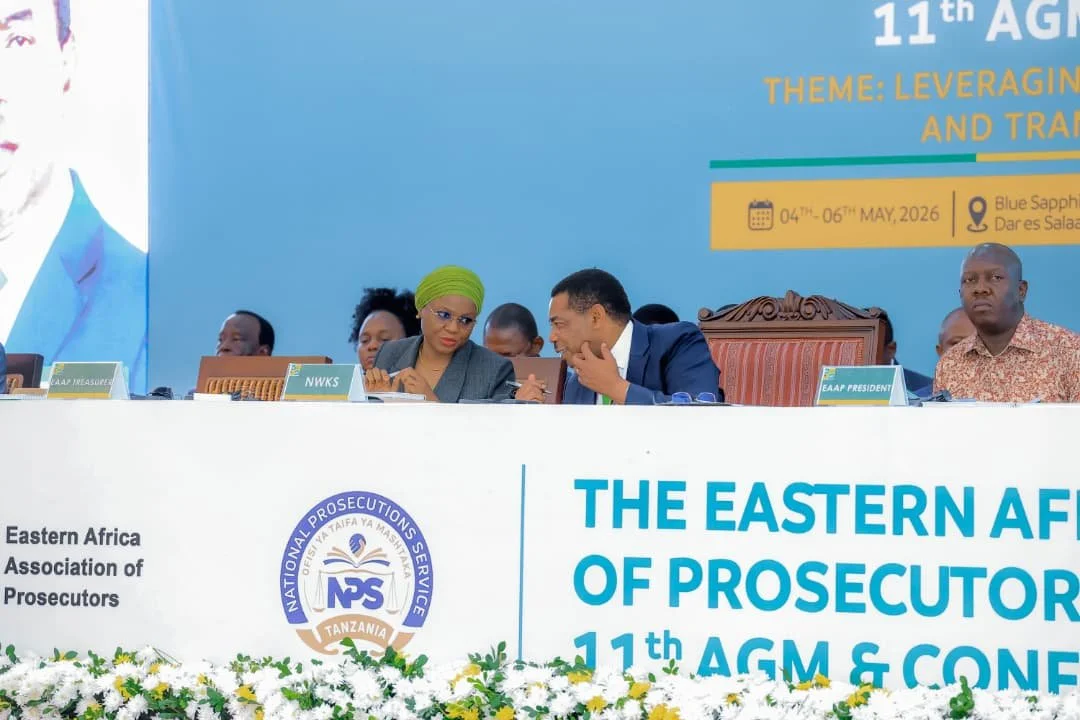
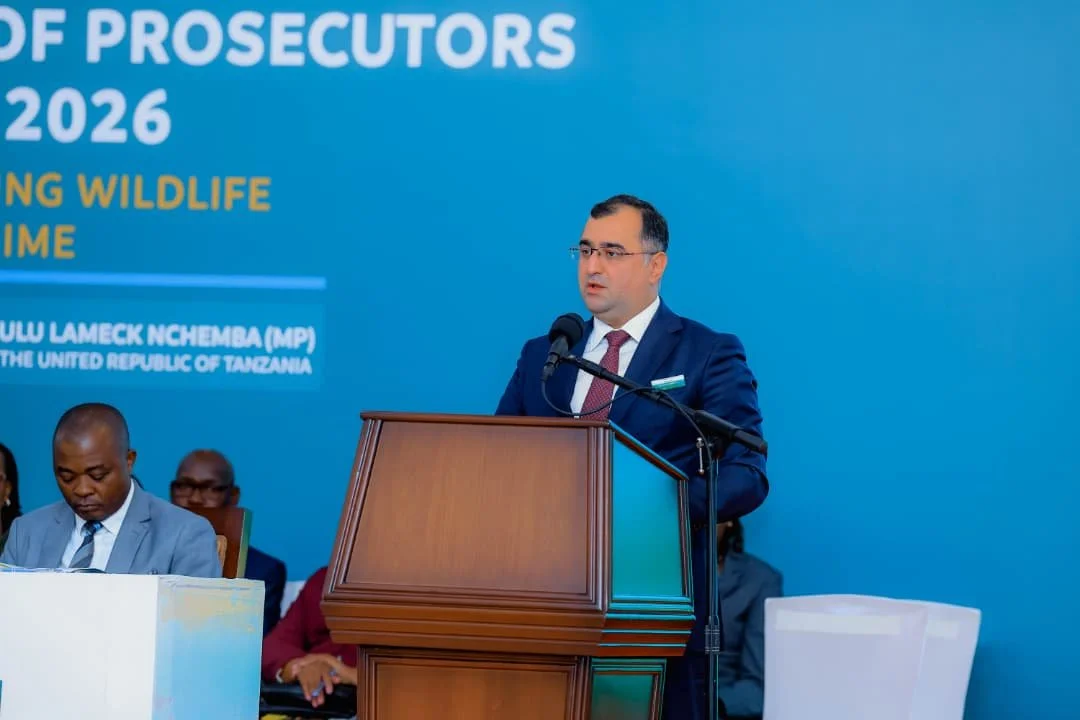
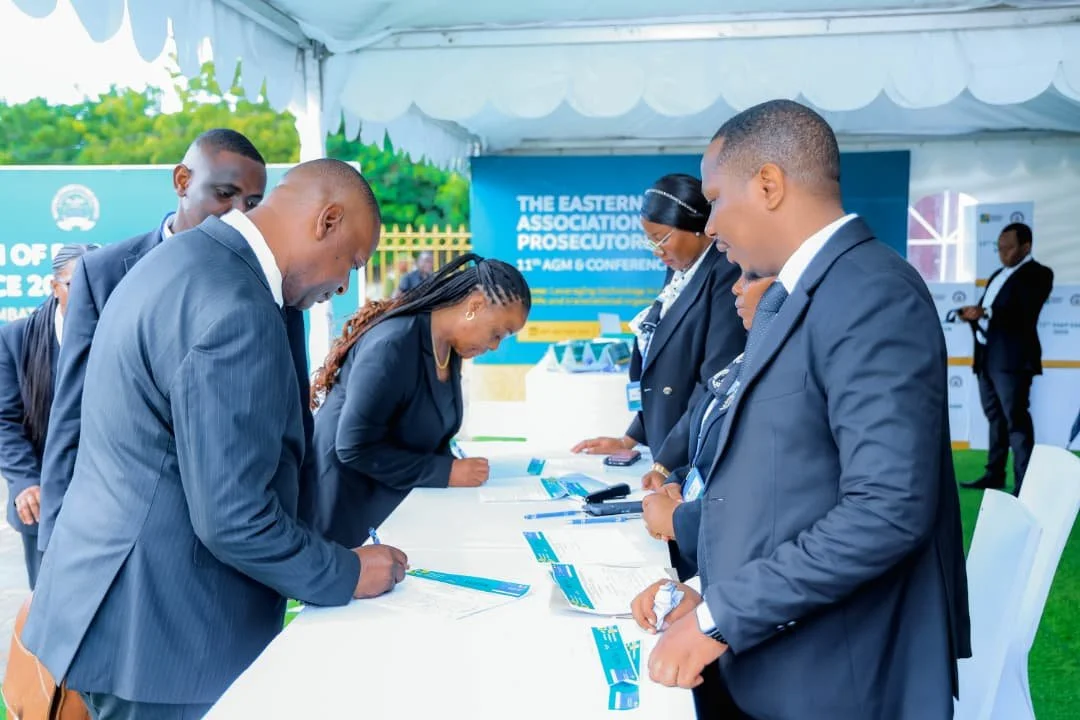
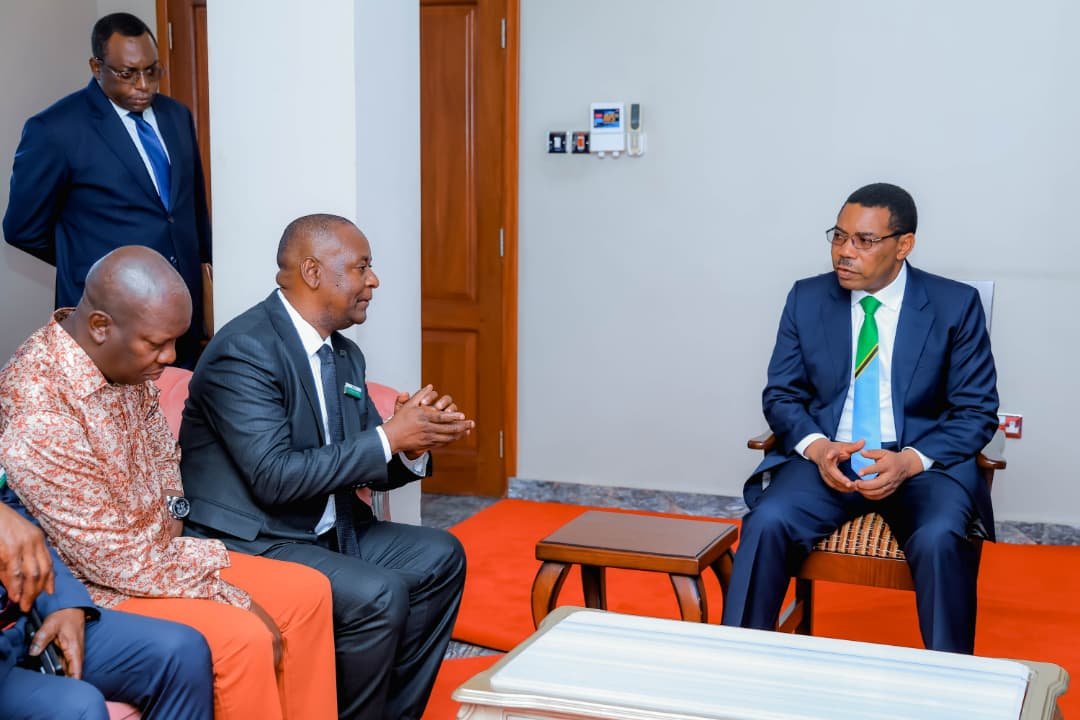
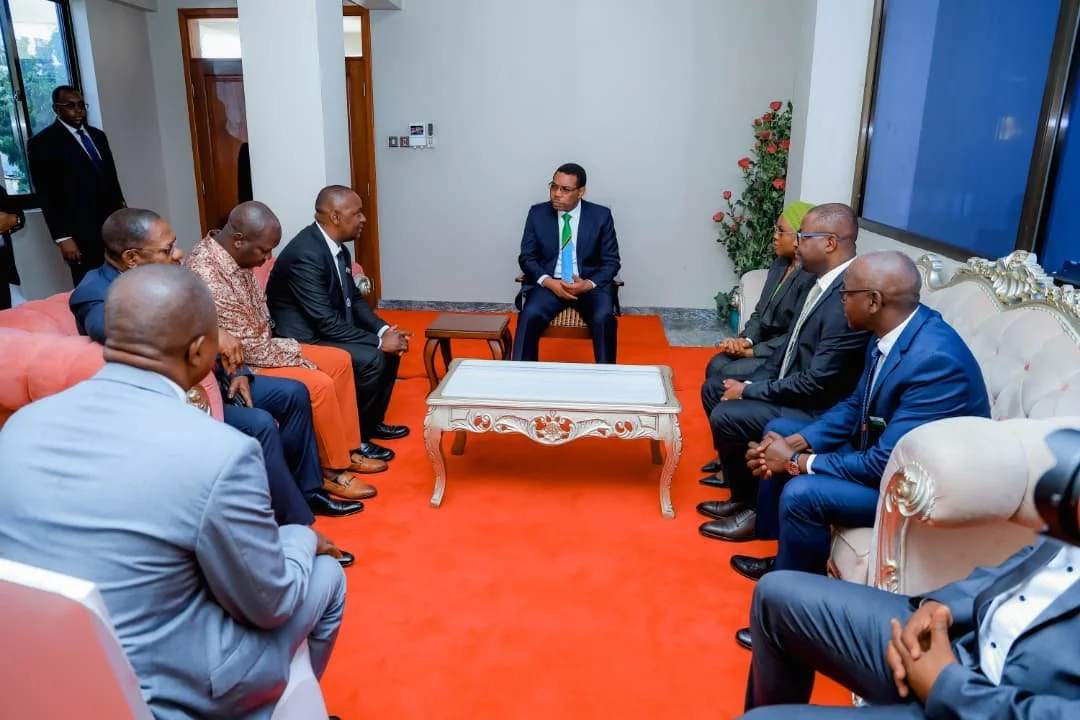
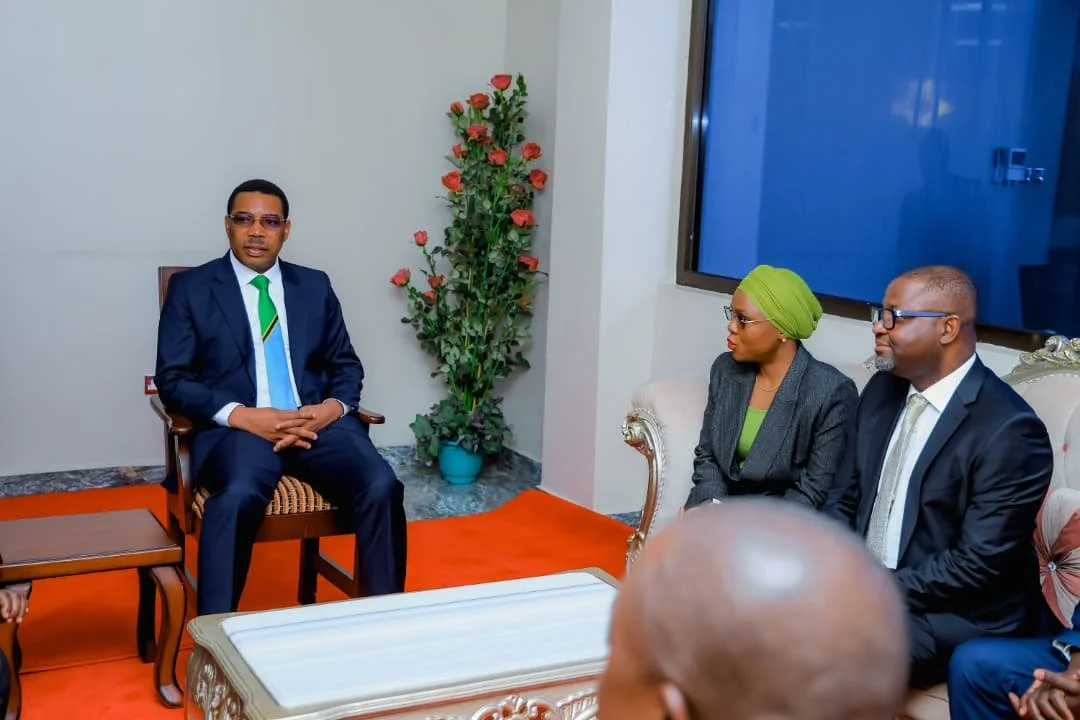
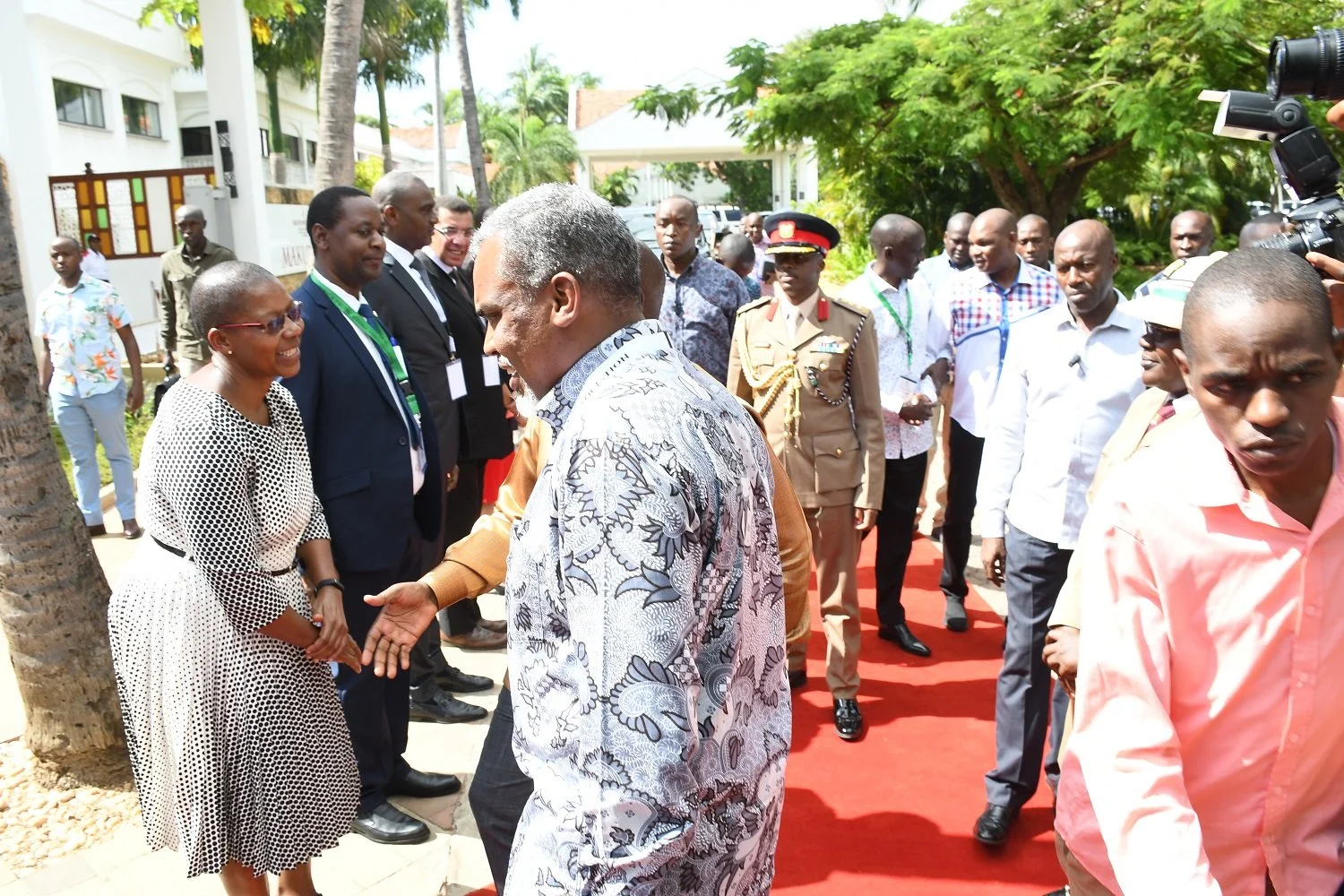
The Director of Public Prosecutions, Mr Noordin Haji played host to the various heads of prosecuting authorities, Attorney General and DPPs from thirty (30) Prosecuting authorities which convened in Mombasa, Kenya to attend the International Association of Prosecutors (IAP) 4th Africa and Indian Ocean Region; and the East Africa Association of Prosecutors, Conference which took place from 16th May 2022 at the Sarova Whitesands.
“Effective Mechanisms to Respond to Emerging Crimes and Trans-national Organised Crime in Africa: Country Experiences and Challenges” was the theme of the conference, which also had other international criminal justice experts in attendance. The Conference was the first ever African and Indian Ocean Regional Conference to take place in Eastern Africa.
In recognition of the complex and rapidly evolving crime landscape, the theme was developed to address the challenges posed by the increased globalisation and digitisation, which has allowed for crime to transcend past the confines of the country that it is committed in, with criminal networks now spanning across multiple States and Jurisdictions. Further, with the development of technological advancements such as blockchain and cryptocurrencies, perpetrators are able to carry out these crimes with minimal risks of detection. These crimes undermine state authority and sovereignty, threaten national security and the rule of law, fuel corruption and destabilize sustainable economic, social and political development, impacting the quality of life of citizens, particularly the poor, women, and children. The Conference was divided into the following sessions: emerging crimes; cryptocurrency and money laundering, harmonisation of asset recovery legal frameworks; and environmental crimes.
The Conference sought to develop regional strategies for addressing the following emerging crimes cybercrime, identity-related crimes, trafficking in cultural property, environmental and wildlife crime, corruption, drug trafficking, human trafficking, economic crimes and money laundering, organ trafficking, and child sexual exploitation, among others. It was identified that the difficulties relating to effective investigation and prosecution of these crimes consisted of;
Increased complexity, scale and volume of cases as investigations and prosecutions now involve multiple jurisdictions with evidence, suspects, witnesses, victims or assets being located in multiple countries;
Lengthy bureaucratic processes with regards to international cooperation and collaboration;
Knowledge and skills gap when it comes to the prosecution of these crimes due to the ever-evolving nature of these crimes;
Need for technical expertise;
Limited resources;
Underdeveloped legislation;
Inadequate record keeping;
Lack of transparency; and
Involvement of certain professions, such as lawyers making detection harder, among others.
It was agreed that there was a need to:
Strengthen and enhance Mutual Legal Assistance (MLA) frameworks;
Increase capacity building of prosecutors, law enforcement agencies and relevant stakeholders through training programs, exchange programs and sharing of best practices;
Enhance identification, tracing, freezing, as well as confiscation of funds and proceeds of crimes, thus removing the financial incentive and monetary benefits of these crimes;
Harmonise legislation;
Enhance the use of data and technological developments;
Leverage informal communication channels to execute processes that could otherwise be obstructed by lengthy bureaucratic procedures;
Embrace a multisectoral approach;
Leverage on the use of alternatives to prosecution, namely plea bargain agreements; and
Strengthen, reform, or develop legislation, policies and guidelines, among others.
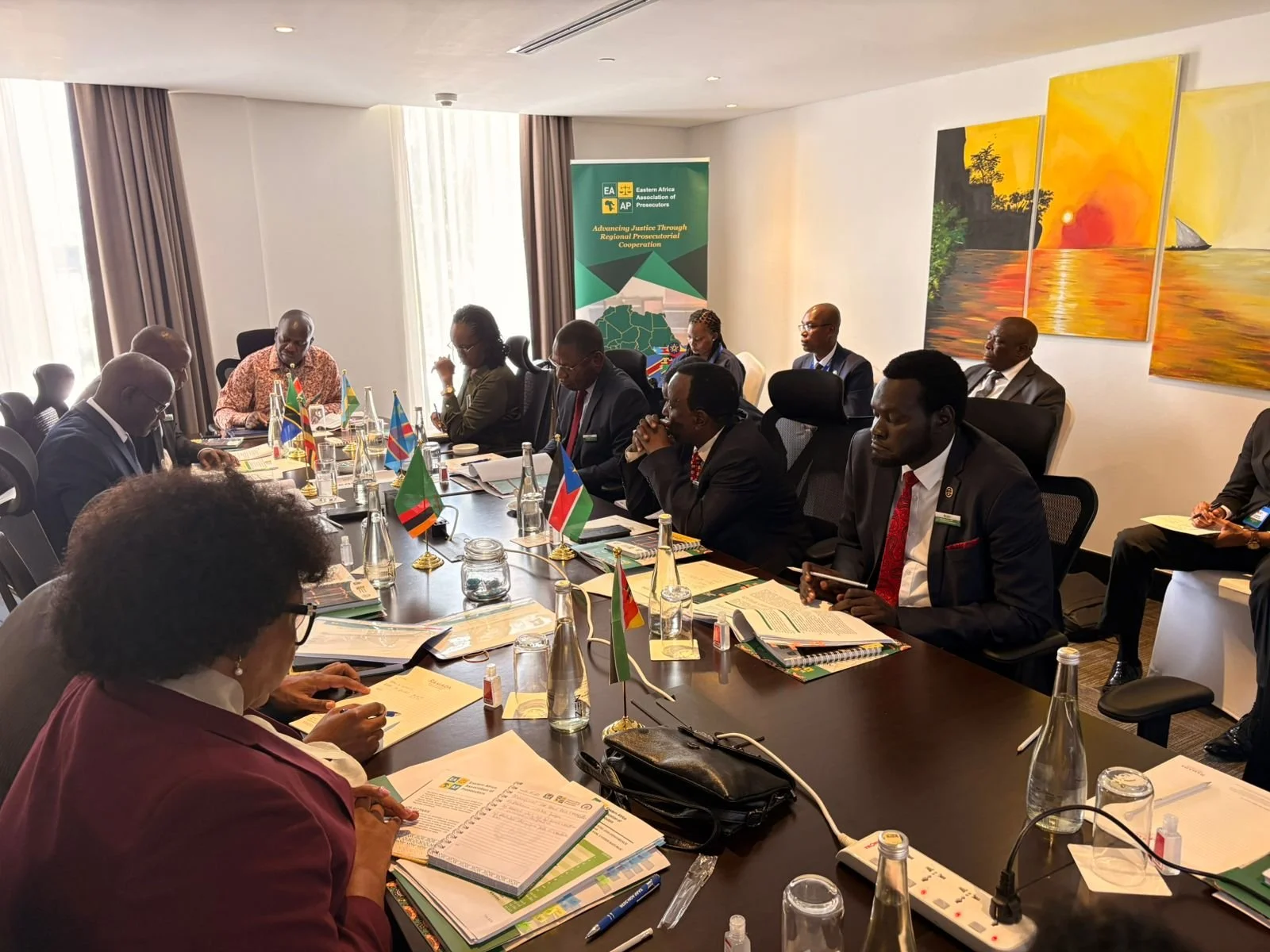
Additionally, the East African Association of Prosecutors (EAAP), whose membership is drawn from 11 countries, namely Burundi, DRC, Ethiopia, Kenya, Rwanda, South Sudan, Malawi, Mozambique, Tanzania, Uganda and Zambia, with the objective of enhancing cooperation amongst prosecution authorities in the Eastern African region, convened for an Extraordinary General Meeting on the sidelines of the Conference. The assembly of heads of prosecution authorities of the EAAP reviewed the Association’s Constitution to enhance their mandate and improve their capacity to deliver justice through transnational cooperation. This Extraordinary Meeting further followed up on the status of implementation of the resolutions of the previous General Meeting held in August of 2021 in Arusha, Tanzania.
Regional engagements such as these are a manifestation of the political will to develop strategies for concerted efforts against transnational crimes. The ODPP, through the Excellence Charter 2020-2023, affirms a commitment to enhancing international cooperation in developing robust legal frameworks underpinned by the rule of law. This is in recognition of the fact that a strengthened criminal justice sector is critical to the developmental agenda of the region and the African continent.